Forthcoming 2027
In: Demokratie im Zeitalter der Desinformation
Ed. by Zlatko Valentic and Martin Baesler
Philosopher, lecturer and author
Coordinator, Open Science & Research Data Management
University of Lucerne
Technologies are not just tools.
It is about how we want to live with powerful prostheses – about anthropomorphisation, responsibility, speechlessness and embodied knowledge.
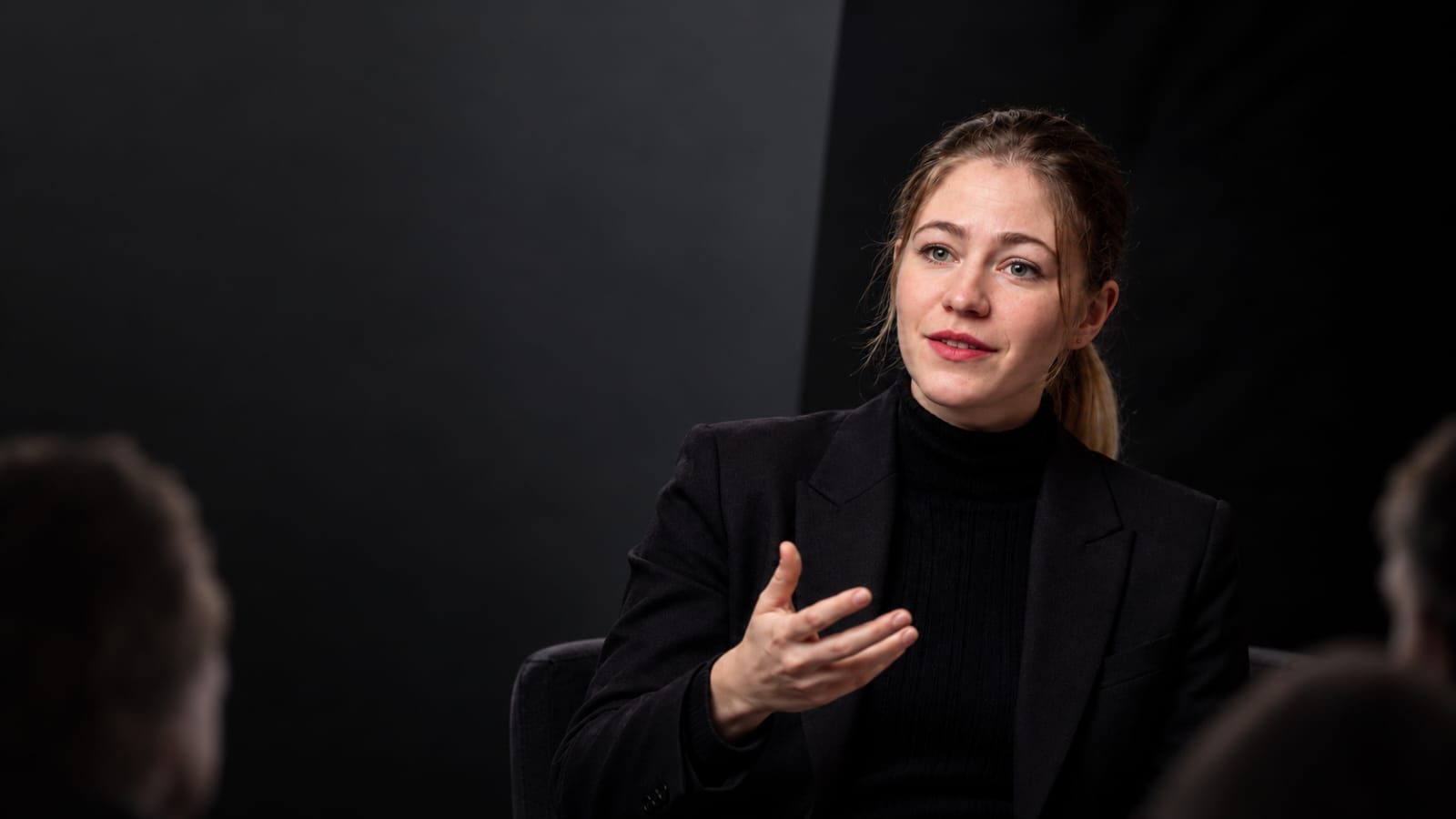
Leonie Gantenbein is a philosopher, lecturer, researcher and author. She coordinates Open Science & Research Data Management at the University of Lucerne, making science safer and more reflective about data.
Her research examines how digital technologies change the way we act, think and live together, and what it means to be human in a networked world. Her work connects philosophical ethics with concrete questions from research and everyday life.
She studied philosophy and history at the University of Lucerne and completed her master’s in philosophy and science studies. At the Lucerne University of Teacher Education she earned the teaching diploma for upper secondary schools in philosophy.
For her doctorate on Annetzung she conducted research with Prof. David J. Chalmers at New York University and with Prof. Shinji Kajitani at the University of Tokyo. She received her doctorate in 2024. In 2026 she completed the Executive MBA at the University of Zurich, with a focus on digital transformation and leadership.
As a lecturer, she has taught philosophy at the University of Lucerne and at Gymnasium St. Klemens in Ebikon. She also gives public talks.
Forthcoming 2027
In: Demokratie im Zeitalter der Desinformation
Ed. by Zlatko Valentic and Martin Baesler
Forthcoming December 2026
Book, in German
Schwabe Verlag
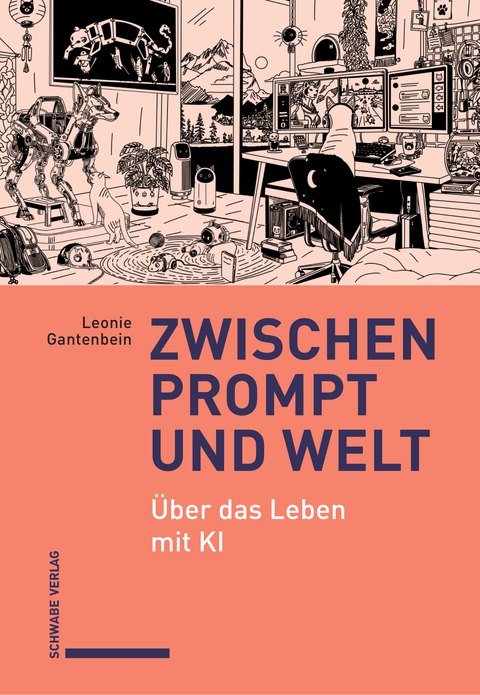
Not a manual for artificial intelligence but a personal account: what it is like to live with an AI, to give it a name, to address it as a familiar “you” – and not to forget, in the process, how we remain human. Moving between gaming, guild, classroom and the cinema of the mind, the book shows why technologies are not just tools but create relationships that change thinking, body and everyday life. It is about anthropomorphisation, responsibility, speechlessness and embodied knowledge.
Pre-order from the publisher2026
Theory and specification
Version 1.0
Open access, CC BY 4.0
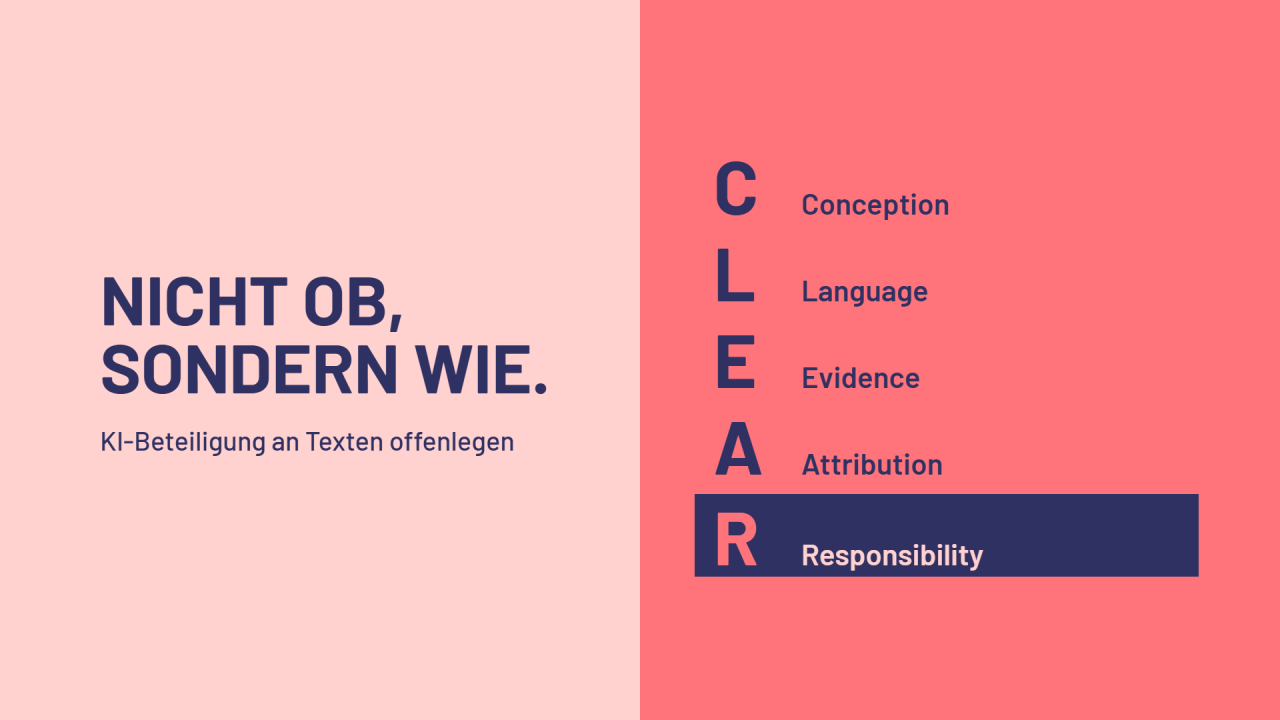
CLEAR is a proposal for disclosing the involvement of artificial intelligence in texts voluntarily and in a differentiated way. The blanket label “AI-generated” is replaced by five statements on conception, language, evidence, attribution and responsibility, which each person involved makes for their own share. Like a citation, the label is therefore not a judgement but an account of how a text came into being.
The framework is tied to a thesis about the culture of disclosure: labelling is only put into practice where disclosure does not devalue. What matters is therefore not whether an AI was involved, but whether a human stands behind the text. Read as an expectation profile, CLEAR also gives schools and universities a shared language for setting out which forms of AI involvement they permit. A factsheet brings together all abbreviations and includes a prompt with which language models can declare their own involvement.
The concept was developed in the book Zwischen Prompt und Welt and builds on the concept of world transparency from Annetzung.
2025
Monograph, in German
Schwabe Verlag
Open access
Funded by the Swiss National Science Foundation (SNSF)
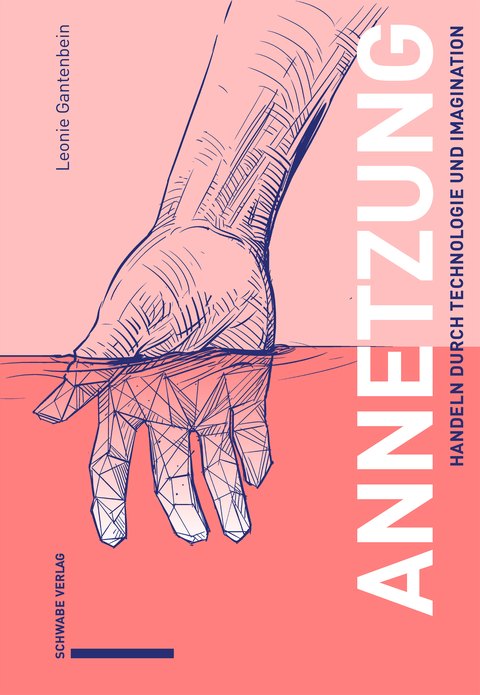
Every interaction with technology, whether with an AI or in a video game, and every dream that feels real, challenges our ideas of reality. The book calls Annetzung the individual and social process through which we connect with this technologically shaped mode of being in the world. Using concrete examples, it develops new concepts of abstraction, reality, identity, embodiment, causality and responsibility, and concludes: we are as free and as obligated as we are connected – angenetzt.
Read free as a PDF or order the hardcover2019
Report, in German
Think Tank W.I.R.E., Zurich
Contributor
How artificial intelligence is changing business, science and society: from the basics of machine learning and typical applications to its limits, with theses and fields of action for politics, business and research. Commissioned by the economic development office of the Canton of Zurich.
Read the PDFFor academic exchange, talks and conversations.